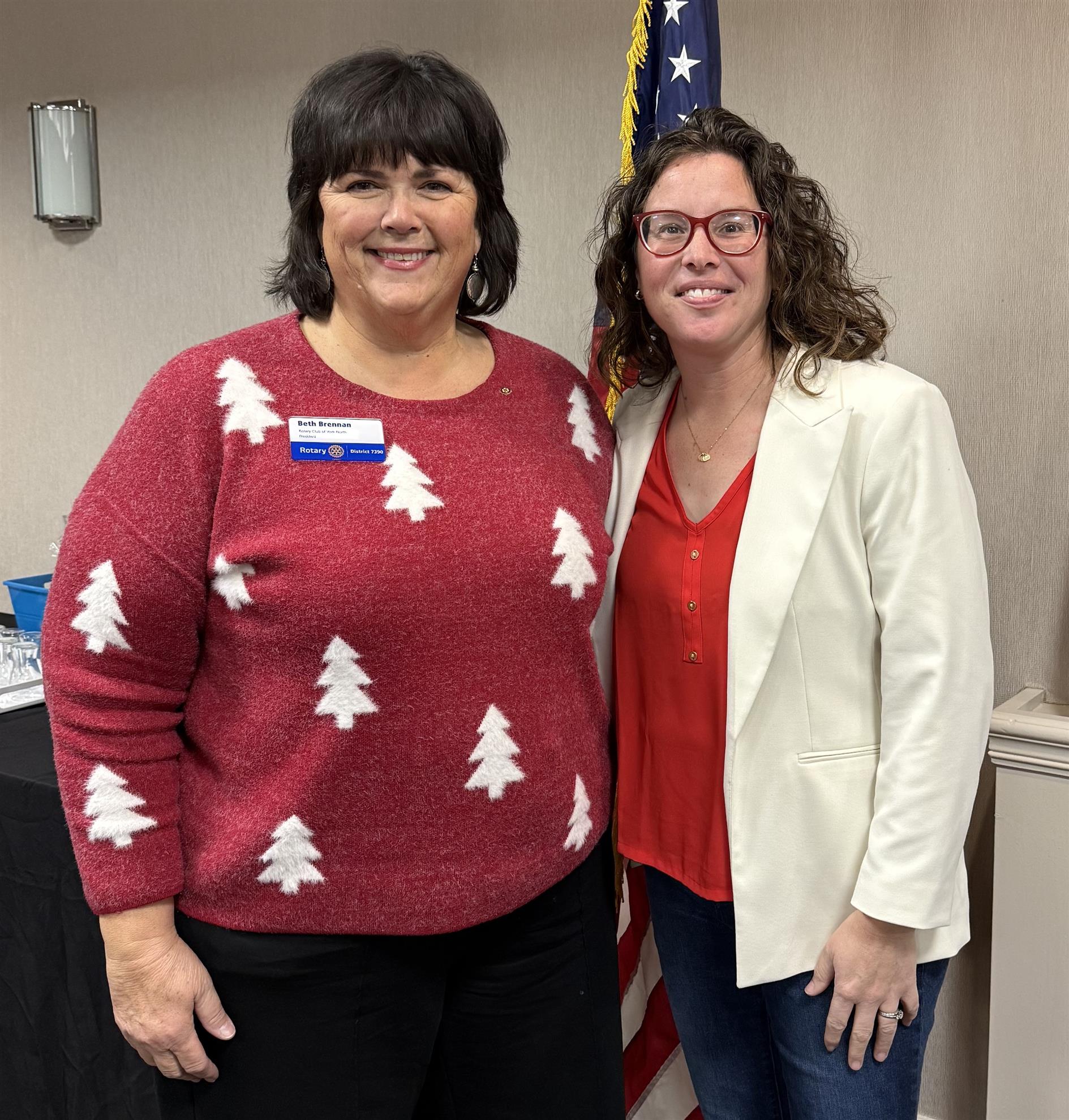
At a recent meeting of the Rotary Club of York North, members were treated to an engaging and eye-opening presentation by Julie Keene of Flinchbaugh’s Orchard & Farm Market in Hellam. The program, appropriately titled “Food for Thought,” offered a powerful reminder that agriculture is not just a rural tradition—it is a living, local, and essential part of our daily lives.
From the food on our lunch plates to the stability of our economy, agriculture touches every household in York County and across the nation. Flinchbaugh’s, now in its fourth generation of family ownership, stands as a shining example of how family farms continue to shape our communities while adapting to modern needs.
Many are surprised to learn that 90% of farms across the United States are still family-owned, representing 88% of all farmland and producing 83% of the value of all agricultural products sold nationwide. Even more impressive, nearly 30% of farms are owned or operated by women, highlighting the growing leadership role women play in agriculture today.
The presentation also emphasized the importance of sustainability—ensuring that today’s agricultural practices protect the land, water, and soil so future generations can continue to produce safe, abundant food. This commitment echoes conservationist Aldo Leopold’s timeless wisdom:
“When the land does well for the owner, the owner does well by his land—then we have conservation.”
Flinchbaugh’s diversified approach—from fruit production and green beans to agritourism, farm markets, and food processing—demonstrates how local farms can remain economically strong while serving their communities in meaningful ways.
As Rotarians dedicated to service, education, and stewardship, we are reminded that supporting local agriculture is not only an investment in our economy—it is an investment in our neighbors, our families, and the future of York County.
The next time you enjoy a fresh apple, a sandwich, or a home-cooked meal, take a moment to think about the family farms that make it possible—and the generations working today to keep that tradition alive.